


PickFresh App
4.128.00 Reviews
App Specs
- Version
- 1.0.16
- Updated On
- License
- Free
- Downloads
- 10,000+
- Developer
- PickFresh, Inc.
- Categories
- Shopping
- Platform
- Android
Screenshots
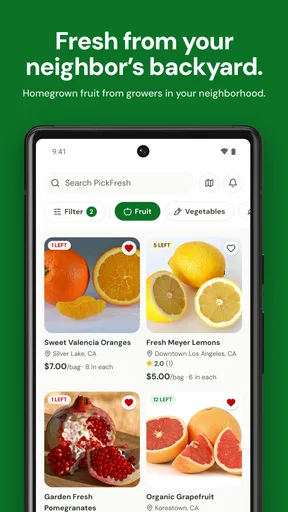
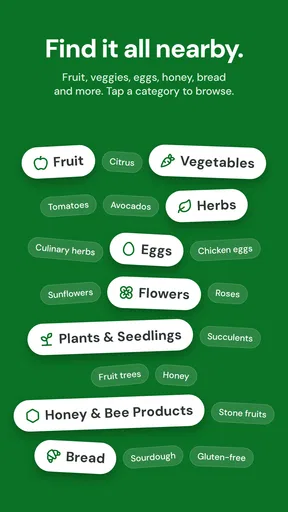
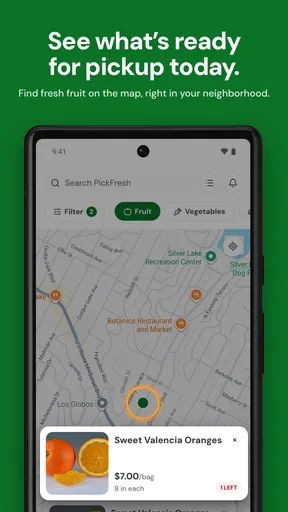
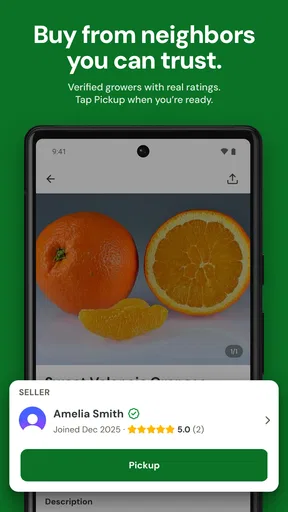
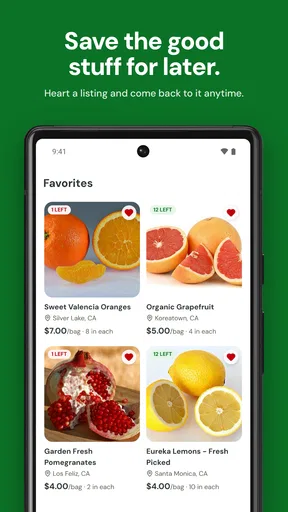
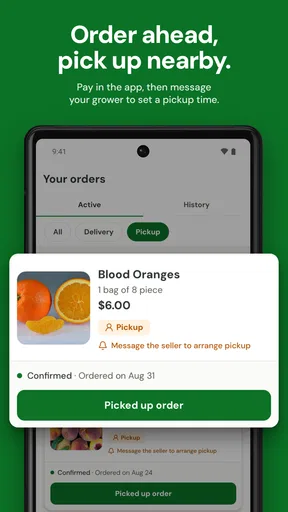
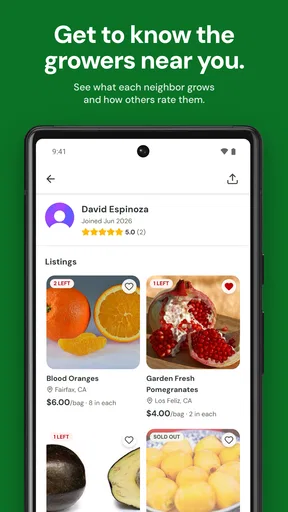
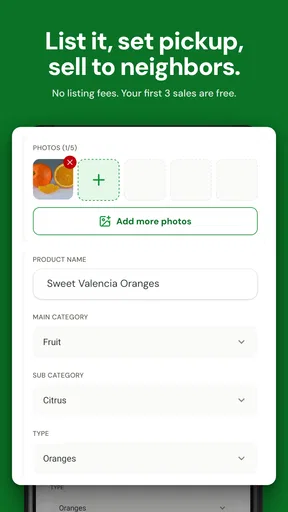
 Analysis by AppCompare
I approached PickFresh App as a practical shopping tool rather than another general marketplace. Its focus is local fruit, so the useful question is not whether it can replace every shopping app on a phone, but whether it can make nearby produce easier to discover and buy. In my experience, that narrower purpose is also its most interesting quality: the app feels aimed at people who care about finding fruit from local sellers instead of browsing an enormous, impersonal catalog.
That focus changes how I judge it. I am not looking for a long list of unrelated products or a complicated loyalty system. I am looking for a clear path from opening the app to understanding what is available, deciding whether it suits my needs, and completing the next step without unnecessary friction. PickFresh, developed by PickFresh, Inc., is free to use and currently sits in the shopping category, with a Teen content rating. It is a small but promising service, and its value depends heavily on how well it connects a user with timely local marketplace information.
How the local marketplace idea works in everyday use
The first thing to understand is that a local fruit marketplace is naturally more changeable than a conventional online shop. A large retailer can often present a stable catalog, while a local marketplace may reflect what growers, sellers, or nearby suppliers currently have available. That makes the app potentially more useful for fresh shopping, but it also means I would not treat every displayed option as a permanent part of the service.
This is where PickFresh has a different rhythm from ordinary grocery apps. Instead of opening it only when I already know the exact item I want, I would use it when I am flexible about the fruit I buy. For example, if I am planning breakfast for the next couple of days, preparing a fruit platter, or trying to shop locally before visiting a supermarket, the app can serve as a starting point for checking what may be worth pursuing.
The distinction matters because local shopping often rewards adaptability. A user who insists on one specific variety at a fixed price may prefer a large supermarket app with predictable inventory and standardized fulfillment. A user who is willing to compare what is available nearby may get more from PickFresh. The app is best understood as a local discovery and shopping companion, not a universal replacement for every grocery service.
I also appreciate that the service has a clear identity. Many shopping apps try to cover everything, which can make local produce feel like just another aisle. PickFresh puts fruit at the center. That specialization should make the experience more relevant for people who regularly buy fresh produce, although it also means occasional users may find the scope too narrow for a full weekly shop.
Why connectivity matters more here than in a typical catalog
Connection quality is especially important for a marketplace built around local availability. When I open an app like this, I expect the information to be tied to a current shopping decision. A slow or interrupted connection can therefore affect more than loading speed: it can make it harder to judge whether the marketplace is useful at that moment.
Worth Reading Before You Choose

Flipboard Shows What News Apps Must Do Beyond the Feed

Switching to Android Auto Means Rethinking Your Driving Routine

Google Calendar Makes a Crowded Week Easier to Manage

Ludo King Makes the Most of the Minutes Between Plans

Baby Panda World Brings Quick Play to Modern Phones, but Its Game Library Feels Busy

ESPN’s Live Game View Makes Following Close Games Easier
This is different from reading a saved article or checking a basic list, where a short interruption may not matter. With local fruit shopping, I would want the app to respond while I am deciding what to buy, comparing possibilities, or preparing to leave home. If the connection is weak, I would avoid making assumptions from a partially loaded screen. I would wait for the relevant marketplace information to appear fully before treating it as a reliable basis for a purchase.
That leads to a practical habit: I would browse PickFresh before entering a basement, crowded market, or other place where reception may become unreliable. Checking while I have a stable connection gives me time to understand the available choices and decide whether the app is worth using for that trip. I would not rely on it as my only source of information at the exact moment I am standing somewhere with poor signal.
Users should also expect the experience to feel more dependent on timing than a normal product browser. A local marketplace can change between one visit and the next, so connectivity and freshness of information are closely linked. Even when the interface itself opens normally, the shopping decision may still depend on current marketplace content. That is why I see the app as something to consult deliberately, rather than something to leave open in the background and assume it will answer every question later.
Using it in real mobile situations
PickFresh makes the most sense in short, purposeful sessions. I would check it at home before shopping, during a break when planning meals, or while deciding whether a local produce trip is worthwhile. Those situations give me enough attention to inspect what the marketplace presents instead of tapping quickly through a screen while walking or driving.
A realistic example would be a Saturday morning when I want fruit for several days but do not want to make a long trip without first knowing whether local options are interesting. I would open the app on a reliable connection, review the marketplace, note the choices that fit my plan, and then decide whether to continue with the local option or use my usual grocery store. The app is useful in that workflow because it helps me make the trip a considered choice rather than a guess.
I would be more cautious about using it while carrying bags, rushing between appointments, or standing in a crowded checkout line. Shopping apps are easiest to judge when the user can read details carefully and recognize whether an option actually suits the intended meal. A phone screen is convenient, but convenience does not remove the need to verify what I am selecting.
Another useful mobile habit is to separate browsing from purchasing decisions. I might explore the marketplace when I have time, then return when I am ready to act. That prevents a weak connection or a rushed moment from turning a simple fruit purchase into a frustrating sequence of retries. It also helps me avoid treating the app as entertainment browsing; its value comes from connecting the screen to a real local shopping plan.
For families, the app could be useful when one person handles meal planning and another handles shopping. The planner can inspect local fruit possibilities first, while the shopper uses the resulting plan as a guide. I would still keep expectations realistic: the app’s specialized focus is helpful for produce decisions, but it is unlikely to cover every household item that belongs on a complete shopping list.
What to do when a session fails
Any connection-dependent shopping experience needs a calm recovery routine. If PickFresh does not load properly, my first step would be to avoid repeatedly tapping the same control. Repeated attempts can make it unclear whether the problem is the network, the page being refreshed, or the action itself. I would pause, check whether other apps can connect, and then try again once the connection is stable.
If the app opens but marketplace content seems incomplete, I would treat that as an unfinished session rather than immediately assuming that the marketplace has no suitable fruit. A partially loaded view can lead to the wrong conclusion. I would close the app only after noting what I was trying to do, then reopen it when the signal is better. This is a small distinction, but it prevents a technical interruption from becoming a mistaken shopping decision.
When an action appears to stall, I would also check whether it actually completed before repeating it. That is good practice for any shopping tool, especially when a network is unstable. Duplicate attempts can create confusion, while a short wait followed by a fresh check gives a clearer picture of the current state.
The app’s modest scale makes this recovery advice particularly relevant. PickFresh has passed ten thousand installs and holds a 4.1 average from eighty-four ratings, with twenty-eight written reviews. Those figures suggest an early-stage service with a real user base, but not one I would assume has the same maturity or resilience as the biggest shopping platforms. I would give it a fair trial, while keeping a backup plan for an important meal or time-sensitive shopping trip.
That backup plan could be as simple as knowing which local store I would use if the app becomes unavailable. This is not a criticism unique to PickFresh; it is a sensible approach whenever a shopping decision depends on a live connection. The app can improve the way I explore local fruit, but I would not let a failed session leave me without another route to complete the shop.
Keeping mobile data use sensible
Because the app is designed for marketplace browsing, I would use it with the same basic data awareness I apply to other shopping services. I would avoid refreshing repeatedly just to see whether anything has changed, particularly when I am away from a dependable wireless connection. A planned check is more efficient than constant reopening, and it also makes the shopping process less distracting.
My preferred workflow would be to browse once when planning, make a short mental or written note of the relevant choices, and then return only when I need to act. This is one of the less obvious advantages of treating PickFresh as a planning tool rather than a feed. It reduces unnecessary screen time and keeps the app connected to a specific purpose: choosing local fruit for a real shopping occasion.
I would also avoid using the app in the background while doing unrelated tasks. If I am not actively comparing or deciding, leaving a shopping session open offers little practical benefit. Closing it after the decision is made keeps my phone experience cleaner and avoids the temptation to refresh without a reason.
For users with limited mobile data, the best trade-off is to use the app at home or on a trusted connection whenever possible, then carry the resulting plan into the shopping trip. That approach does not assume any special offline function; it simply places the information-gathering step in a more controlled setting. If I need to check something again while outside, I would do so deliberately rather than treating the app as a continuously updating display.
Data-conscious use also improves reliability. A stable connection makes it easier to tell whether content has loaded correctly, while a weak connection can encourage repeated attempts. In other words, saving data and avoiding frustration point toward the same habit: fewer, better-timed sessions.
Where it beats ordinary shopping alternatives
Compared with a broad supermarket app, PickFresh has a more focused purpose. A supermarket service is usually better when I need one order containing fruit, vegetables, pantry goods, cleaning products, and household essentials. It may also fit better when I want a familiar delivery or pickup routine. PickFresh is more appealing when the main decision is which local fruit opportunity is worth exploring.
Compared with a general marketplace, the advantage is relevance. A huge marketplace can offer more categories, but that breadth often adds noise. A specialized fruit service can make a local produce search feel more direct. The trade-off is obvious: the narrower focus may save browsing time for fruit, yet it cannot replace the range of a general retailer.
Compared with simply visiting a local shop without checking an app, PickFresh offers a chance to plan before leaving. That can be valuable when the trip is inconvenient or when I want to compare the local option with my normal routine. However, the app cannot remove the uncertainty that naturally comes with local availability. I would still make room for flexibility and avoid planning an entire event around one expected item until I have confirmed the relevant marketplace details.
One of my favorite practical uses would be deciding whether a local produce trip is worth the effort. If the available selection looks suitable, I can make the trip with more confidence. If it does not fit my needs, I can switch to a conventional grocery option before spending time traveling. That decision-support role is more meaningful than simply having another place to scroll through products.
Who should try it, and who should skip it
I would recommend PickFresh to people who buy fruit often, prefer local shopping, and are comfortable with a marketplace that may require flexibility. It also suits users who like to plan a shopping trip from their phone instead of arriving without any idea of what local options might be available. The free price makes experimenting with it straightforward, especially for someone curious about a more focused alternative to a large grocery app.
I would be less likely to recommend it as a primary shopping app for someone who wants a single, comprehensive order. If my priority were a predictable list covering an entire household, I would choose a broad grocery service instead. Likewise, users who dislike checking live marketplace information or who regularly shop in places with unreliable reception may find the experience less convenient than a conventional store app.
The Teen content rating is worth noting for families deciding which shopping tools to place on a shared device. It does not change the app’s basic purpose, but parents may still prefer to supervise shopping activity on a family phone, as they would with other marketplace services.
PickFresh is also not the right choice when I need certainty above all else. A tightly scheduled event, a recipe requiring one exact fruit, or a large planned order may call for a retailer with a more established catalog and fulfillment process. Its strength is helping me explore local fruit possibilities, not promising that every shopping situation will fit the same pattern.
What the current release says about its maturity
The app is currently at version 1.0.16 and was released on December 21, 2025. I read that as a sign that PickFresh is still a relatively young product rather than a long-established shopping institution. That does not make it unworthy of trying; in fact, a focused early product can be easier to understand than a mature app overloaded with unrelated features.
It does mean I would judge it by the quality of the core journey: can I open it, understand the local fruit marketplace, make a sensible decision, and recover gracefully if the connection is poor? I would not expect the same breadth or polish as the largest shopping platforms. The rating and review activity suggest encouraging early interest, but I would still approach it as a service that may continue evolving.
For a new user, that makes a small test the smartest approach. I would try it first for a low-pressure fruit purchase rather than a major event. That gives me a chance to learn how the marketplace fits my area, how much attention the connection requires, and whether its focused approach is genuinely more useful than my usual alternative.
My connectivity verdict
PickFresh works best when I treat connectivity as part of the shopping process, not as a minor technical detail. I would browse with a stable connection, use the information to shape a local fruit plan, and avoid depending on a rushed session in a weak-signal location. That workflow makes the app feel purposeful and reduces the frustration that can come from expecting a live marketplace to behave like a static product list.
Its strongest idea is the local focus. Instead of competing with every shopping category, it gives fruit shoppers a more specific way to investigate nearby possibilities. The main trade-off is that the same local, current nature that makes the service interesting can make it less predictable than a standard grocery catalog. I value the discovery, but I would keep a conventional backup when timing or certainty matters.
Overall, I see PickFresh as a worthwhile free app for curious local produce shoppers, especially those who plan before traveling and are willing to adapt to what the marketplace presents. I would not install it expecting a complete grocery replacement. I would install it to answer a narrower question: is there a local fruit option worth choosing today? When that is the question, the app’s focused design and connection-aware workflow make sense.
My recommendation is to try it for a small, flexible shopping trip first. If the local marketplace fits your habits, PickFresh can become a useful planning step before buying fruit. If you need a broad catalog, guaranteed routine, or dependable use in poor reception, a traditional grocery app will probably serve you better.
Pros
- Quickly find fresh produce and everyday groceries nearby.
- Convenient ordering makes shopping easier for busy users.
- Product listings help compare available items before buying.
- Useful for discovering local stores and fresh-food options.
- Pickup or delivery choices can make grocery trips more flexible.
Cons
- Availability may vary significantly by location and store.
- Delivery fees or minimum order values can increase the total cost.
- Product substitutions may differ from what you originally selected.
- Some listings may lack detailed nutrition or ingredient information.
- App performance and delivery times can depend on local partners.
FAQs for PickFresh App
What is PickFresh App and how does it work?
PickFresh App is designed to help users discover and order fresh groceries and everyday food items through their mobile device. After creating an account, you can browse available products, add items to your cart, choose a delivery or pickup option where supported, and complete checkout. Availability, delivery areas, product selection, and ordering features may vary depending on your location.
Is PickFresh App available in my area?
Before downloading and placing an order, check whether PickFresh App serves your city or postal code. The app’s catalog, participating stores, delivery zones, pickup locations, and available time slots can differ significantly by region. In some locations, you may be able to browse products but not order immediately. Entering your address during setup is usually the best way to confirm local availability.
How much does delivery cost, and are there any additional fees?
The total price of a PickFresh order may include product costs, delivery or service charges, taxes, and potentially a small-order fee or other location-based costs. These charges can change according to distance, order size, demand, and the selected delivery time. Review the complete checkout summary carefully before confirming payment, since promotions may have specific conditions or minimum-order requirements.
Can I request substitutions, report missing items, or receive refunds?
Fresh products may occasionally be unavailable, so PickFresh may offer substitutions depending on the store and the items in your cart. Check the order preferences before checkout if substitution choices are provided. If an item is missing, damaged, incorrect, or not fresh, use the order-help or customer-support option as soon as possible. Refund eligibility and response times can depend on the issue and local policy.
What payment and account features does PickFresh App support?
PickFresh generally requires an account or sign-in process so it can save delivery details, order history, and payment information. Supported payment methods may differ by country, store, and platform, so confirm the options shown at checkout rather than assuming every card or digital wallet is accepted. Also review notification and location permissions, because they may affect delivery updates and order tracking.


